Forest Bathing: Nature’s Cure for a Busy Mind
Tamara Makar | OCT 18, 2024
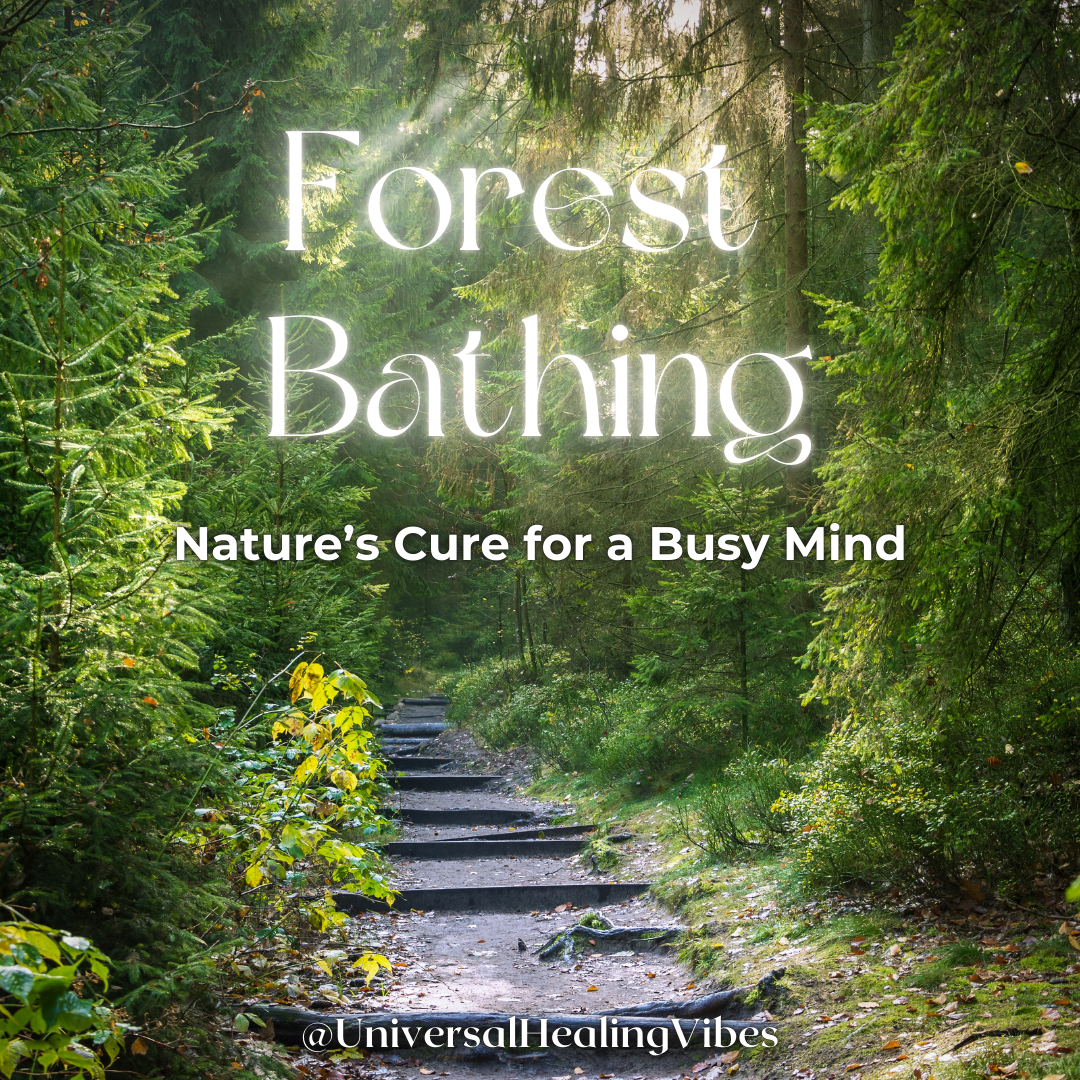
In a world of screens, stress, and constant to-do lists, it’s easy to feel disconnected from the natural world. Yet, many of us instinctively know that spending time in nature brings a sense of peace and calm. What you might not know is that there’s a practice rooted in this connection, and it’s called forest bathing. Originating in Japan, forest bathing offers more than just an excuse to take a walk in the woods—it's a practice that has deep effects on both our body and mind.
Where Does Forest Bathing Come From?
Forest bathing, or "Shinrin-yoku" was developed in Japan in the 1980s as a form of natural therapy. At the time, Japan was facing rising stress and burnout rates from the demands of urban life. The government began promoting forest bathing as a way to improve mental and physical well-being by immersing people in nature. Unlike hiking or exercising outdoors, forest bathing is about slowing down and engaging with nature through all of your senses.
Shinrin-yoku quickly gained popularity not just for its calming effects, but also for the scientifically backed health benefits it brings. As the movement spread globally, forest bathing evolved into a mindful practice that is now recognized and embraced by health experts and wellness advocates alike.
What Does Forest Bathing Do to Our Bodies?
Forest bathing isn’t just a mental refresh—it has significant physiological effects on our bodies. Studies show that spending time in nature, especially forests, can lower blood pressure, reduce heart rate, and decrease levels of the stress hormone cortisol. Breathing in the fresh, oxygen-rich air of a forest can reduce inflammation, improve immune function, and even enhance mood. Part of this magic comes from phytoncides —natural oils released by trees, which have been shown to boost our immune system by increasing the activity of natural killer (NK) cells that help fight off infections and diseases.
When you immerse yourself in nature, you're not only soaking in the calm surroundings, but your body is also responding positively at a biochemical level. The simple act of breathing deeply in a forest can lower stress, improve focus, and even enhance creativity.
What Can Forest Bathing Help With?
1. Stress and Anxiety Reduction
Forest bathing is particularly effective at calming a busy or anxious mind. The quiet, peaceful environment offers an escape from the overstimulation of modern life, helping to lower stress and reduce feelings of anxiety.
2. Improved Mood and Mental Clarity
Spending time in nature has been shown to elevate mood and reduce symptoms of depression. The sensory experience of forest bathing—feeling the breeze, listening to the rustling leaves, and observing the sunlight filtering through the trees—helps ground you in the present moment, clearing mental fog and increasing focus.
3. Boosted Immune System
The air in forests contains phytoncides, which, as mentioned earlier, can stimulate the immune system. This makes forest bathing not just a mood booster, but a way to help strengthen your body’s defenses against illness.
4. Lowered Blood Pressure and Heart Rate
Nature has a calming effect on the cardiovascular system, helping to lower blood pressure and heart rate. This makes forest bathing a wonderful complement to a heart-healthy lifestyle.
5. Enhanced Creativity
The tranquility of a forest can spark new ideas and inspiration. Forest bathing removes distractions and fosters an environment where creative thinking can thrive. Many find that their mind feels clearer and more receptive to creative flow after time spent in nature.
How Often Should We Practice Forest Bathing?
While any time in nature is beneficial, practicing forest bathing once or twice a week can provide long-lasting benefits. The good news is that you don’t need to spend hours in the woods for it to work its magic. Research suggests that spending just two hours a week in nature can significantly enhance your physical and mental health. This can be broken into smaller sessions, such as 20-30 minutes a few times a week.
Even if you live in an urban area, you can still practice forest bathing in nearby parks or green spaces. The key is to focus on the quality of your immersion in nature rather than the duration. Ideally, you should aim to completely disconnect from technology and allow yourself to slow down.
How to Forest Bathe: A Simple Guide
The beauty of forest bathing lies in its simplicity. Here’s how to get started:
1. Find a Green Space
You don’t need to trek into the wilderness to experience forest bathing. Any natural environment with trees or greenery will work. Parks, nature reserves, or even quiet gardens are great options.
2. Disconnect from Technology
Leave your phone and distractions behind. The goal is to unplug from the digital world and connect with nature.
3. Engage Your Senses
As you walk slowly, pay attention to everything around you. Notice the colors, smells, and sounds of the forest. Feel the texture of the bark, the earth beneath your feet, and the cool breeze on your skin. Engage with the environment using all of your senses.
4. Go Slowly and Stay Present
Unlike a hike, forest bathing is not about covering a lot of ground. Walk slowly, stop often, and take in the beauty of your surroundings. If you feel like sitting down on a log or lying in the grass to relax, do it. There’s no rush.
5. Breathe Deeply
Take slow, deep breaths. Breathe in the fresh, clean air and allow yourself to relax into the environment.
6. Be Mindful of Your Thoughts
Let go of any worries or concerns. If thoughts of your to-do list or other stresses come up, acknowledge them, and then gently bring your attention back to the present moment.
A Simple Practice for Profound Benefits
Forest bathing isn’t just a retreat from the stresses of everyday life—it’s a deeply restorative practice that nurtures both body and mind. By reconnecting with nature, you can reduce stress, boost your immune system, and improve your overall well-being. The next time you’re feeling overwhelmed or burned out, consider heading to a nearby park or forest, leave your phone behind, and immerse yourself in the healing power of nature. Just a few mindful minutes in a green space can make a world of difference.
Tamara Makar | OCT 18, 2024
Share this blog post

 OfferingTree