Your Breath vs. The Modern World: Which is Winning?
Tamara Makar | JAN 14
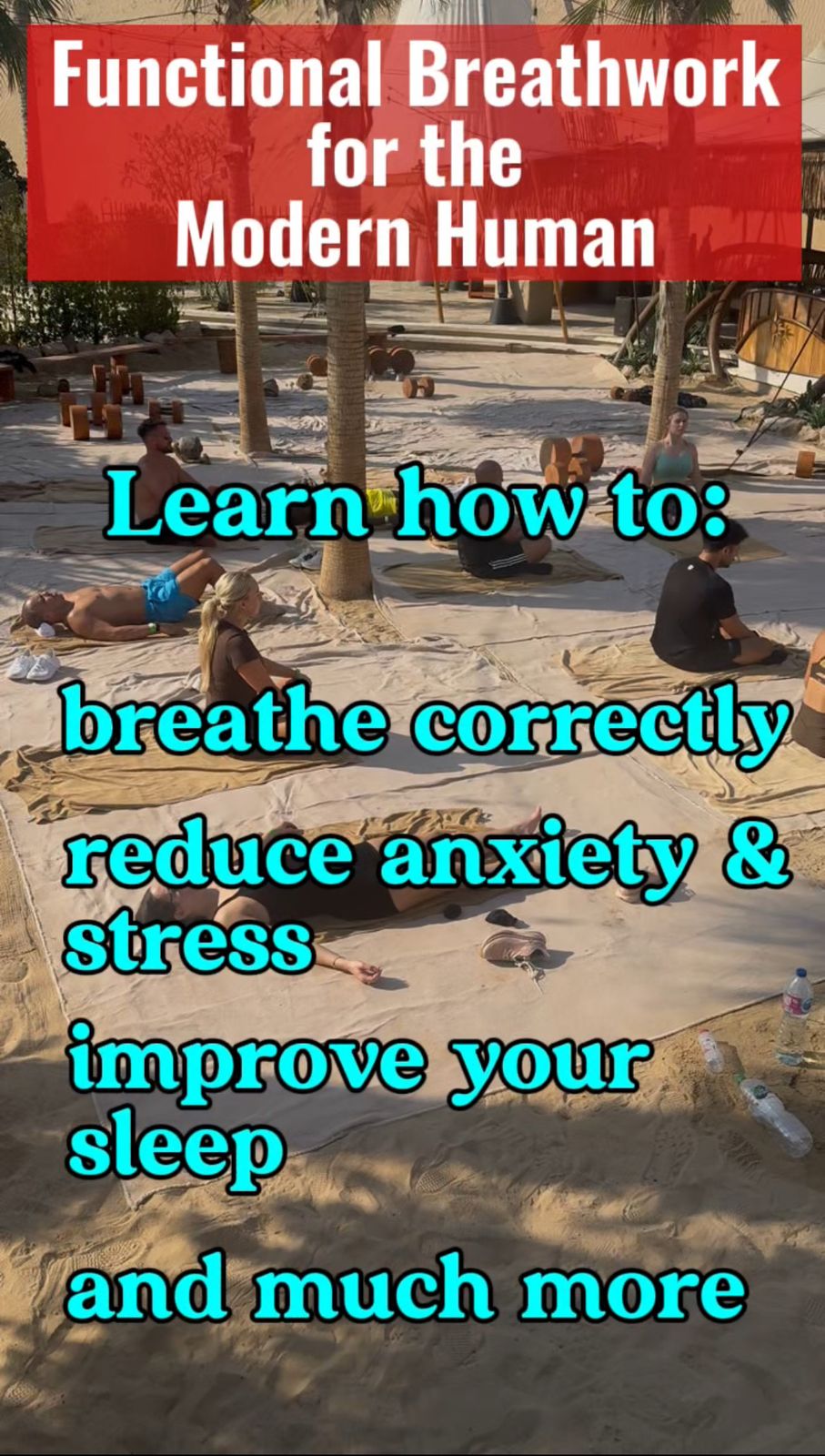
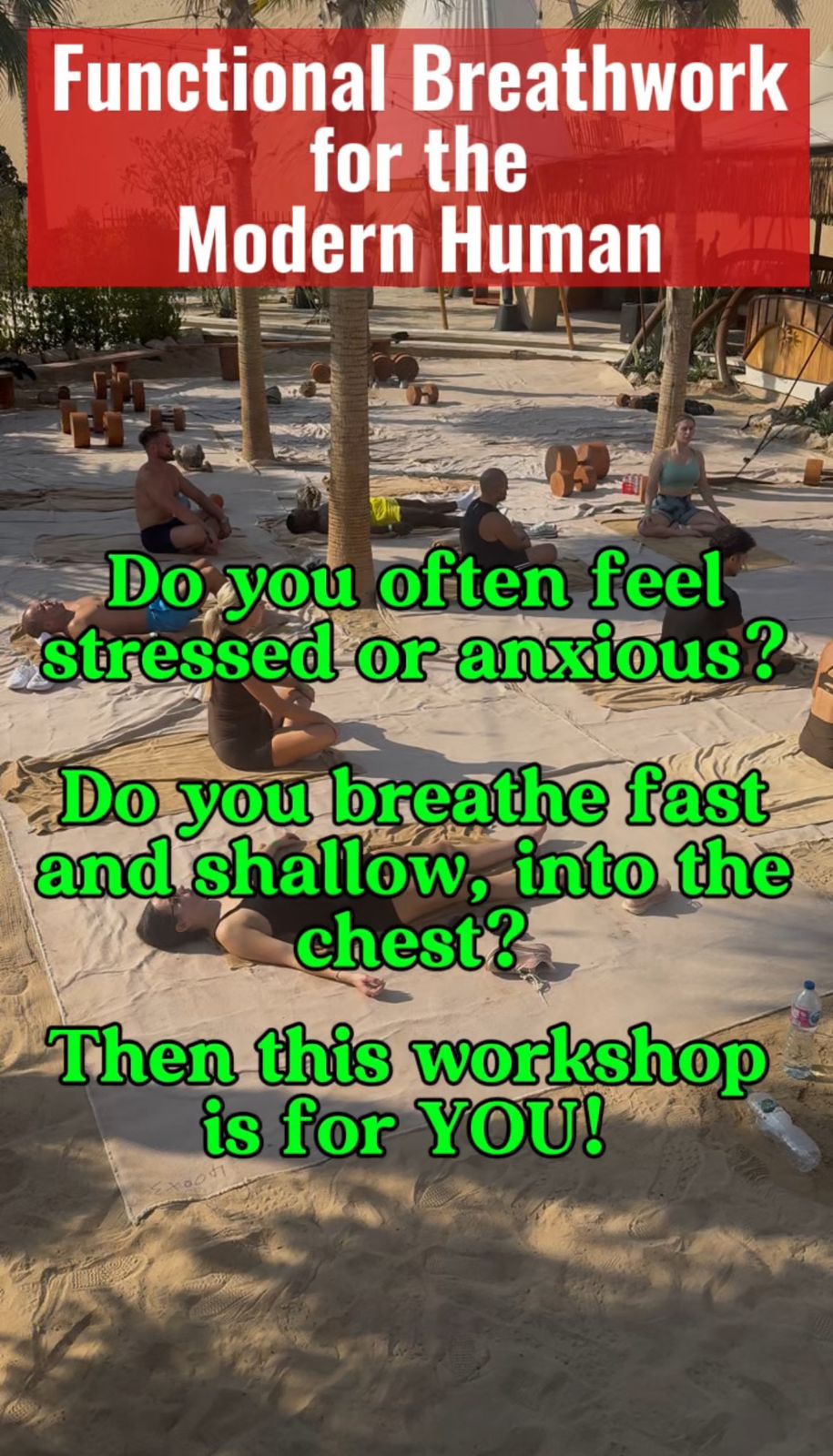

Today's world is full of stimuli. Our phones ping notifications every second. We switch the TV on, and there's a war going on somewhere. People are sick or starving. The films are mostly about destruction and killings. Our environments are noisy and disruptive. If someone cannot find a way to wind down, to switch off regularly, it can lead to burnout very quickly.
Maybe you have already experienced one or more symptoms of stress:
insomnia or your monkey brain, you can't seem to be able to switch off,
light and rapid chest breathing during the day with no apparent reason,
holding your breath while you're typing something on your phone or reading an email,
shoulder or neck pain from bad posture,
or just not being able to breathe 'deep' enough, never seem to be able to breathe in enough air.
If you have experienced any of these, that means your body was under stress, your sympathetic nervous system was activated due to a real or imagined threat, and this was your body’s 'fight or flight response.
Anxiety and stress are very common nowadays. People are impatient, they live in the past or in the future, not embracing the present moment. Some people don't know how to slow down, and others just ignore the signs and don't even want to. However, the more you keep postponing a change, the more damage you cause to your system, which could manifest in illnesses - yes, stress-induced illnesses and chronic illnesses.
The good news is that you can control how you feel by just controlling your breath. Yes, it’s true. As simple as it sounds, by changing how you breathe, you can change how you feel. Here is the proof: when you’re stressed, your breathing switches to shallow and rapid chest breathing. So this definitely works one way. Now, why don’t you try and reverse it: change your rapid and shallow chest breathing to deeper and longer breaths, and see how that changes your mood and how you feel? It works both ways.
The key to calming down is in stimulating the Vagus nerve. The Vagus nerve controls the parasympathetic nervous system, which is your 'rest and digest' response. The powerful part is that you can stimulate your Vagus nerve by your breath only.
There are different techniques you can use to calm your nervous system down, and I’m hosting an online workshop on the 17th January, Saturday, to teach you how it works. In this workshop I’ll explain:
Why dysfunctional breathing is disruptive to your system, and how that damages your health
We will discuss the symptoms of dysfunctional breathing so that you can identify if you do it wrong.
Then I’ll show you an easy way to measure your current level of your Body's Oxygen - when you have dysfunctional breathing, only low amounts of the oxygen you breathe in reaches your cells and brain - hence you may experience brain fog or lack of energy.
Then we will practice different techniques to stimulate the Vagus nerve and calm your nervous system down, activating the parasympathetic nervous system - your ‘rest and digest’ mode. By the end of this workshop, you’ll have different tools that will help you transform anxiety into calm.
This workshop is online, and you can reserve your spot by visiting this link.
If you have any questions, please respond to this message. I'm here to answer them.
Your breath is your anchor. It's time to use it.

Tamara Makar | JAN 14
Share this blog post

 OfferingTree